






Snapdragon Seeds – Legend Light Pink
$3.99
About the Variety
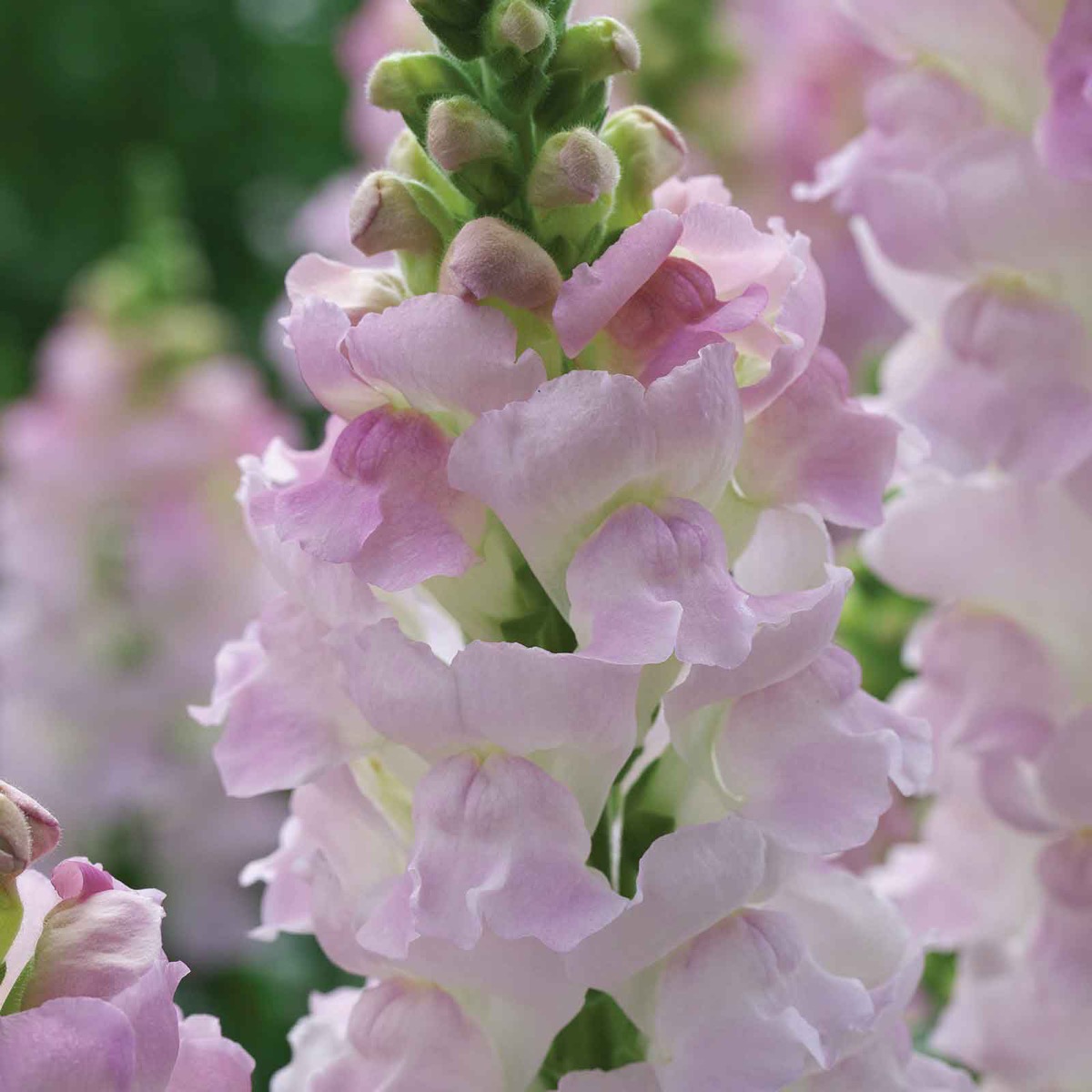
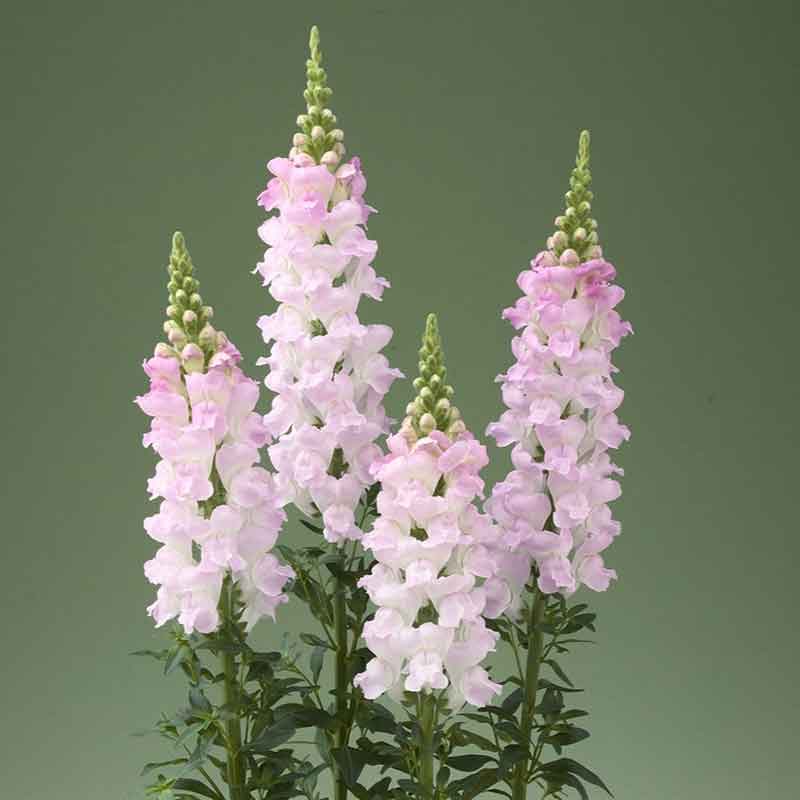
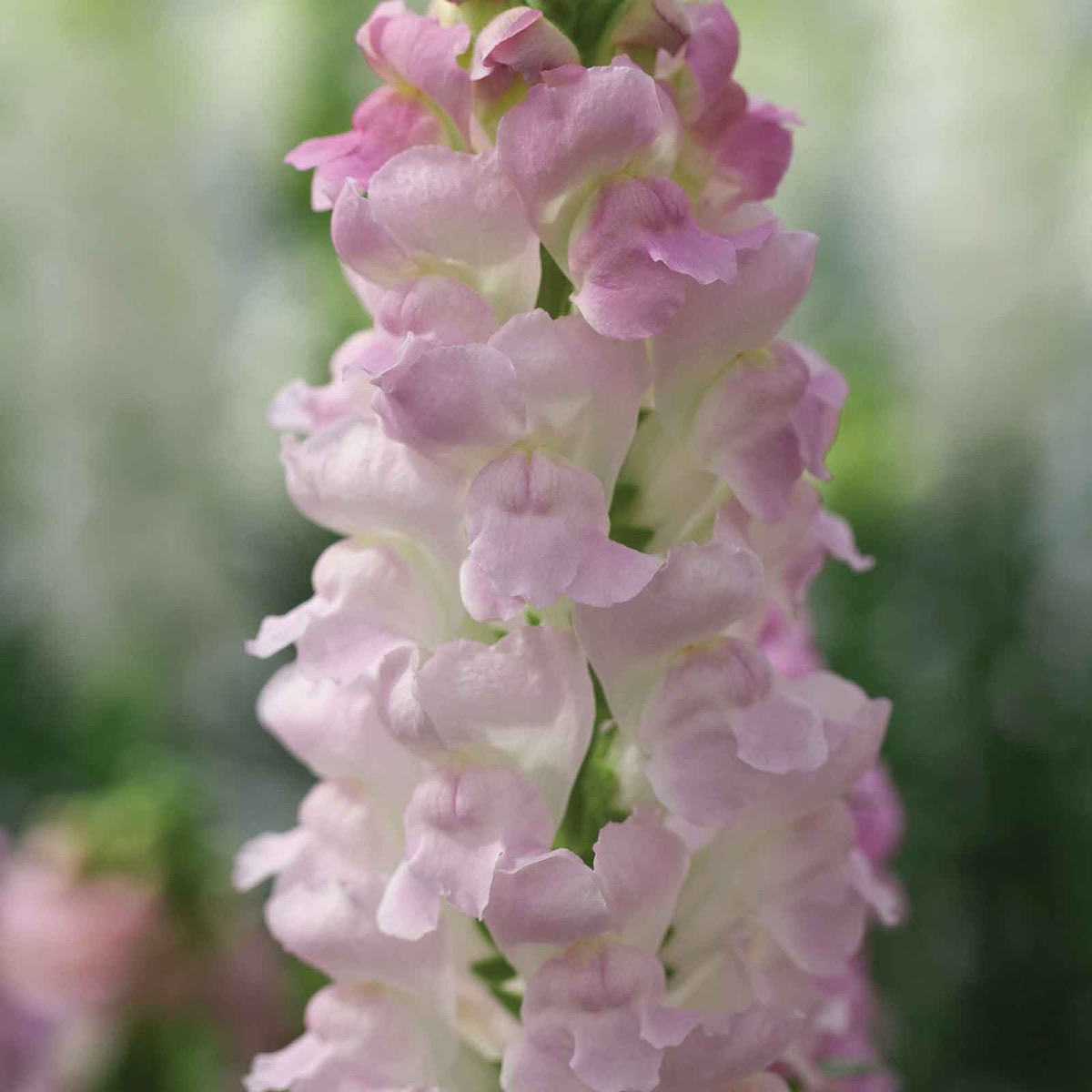
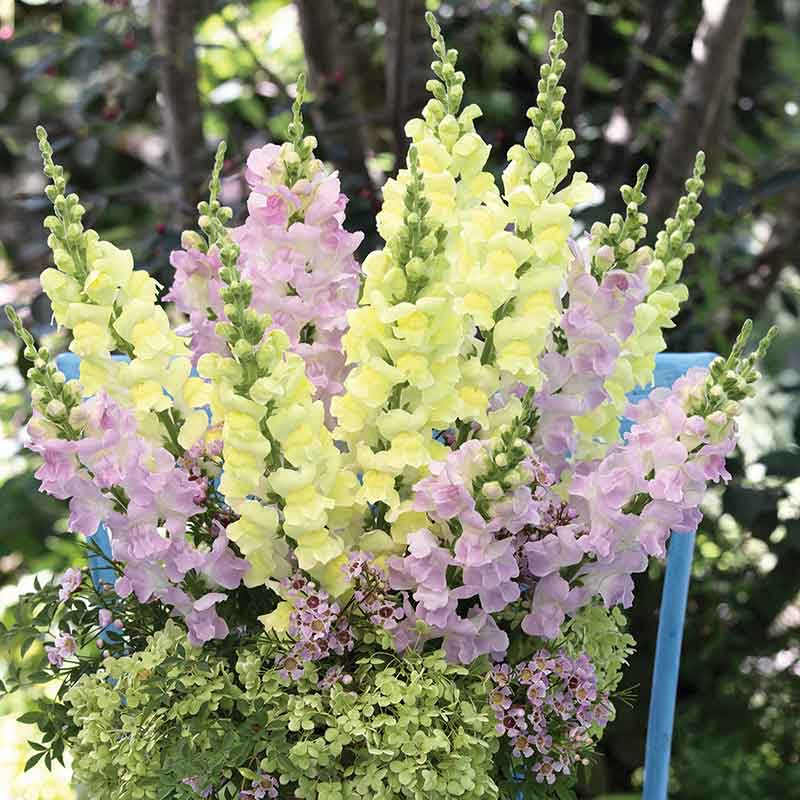
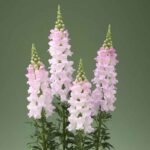
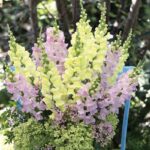
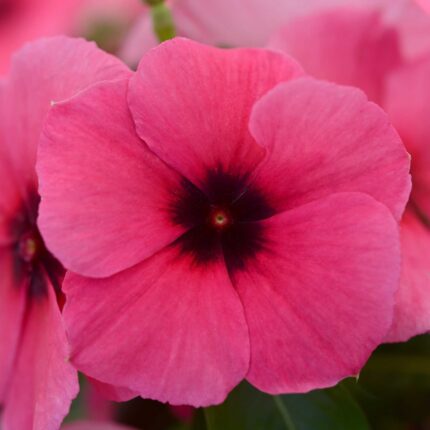
Legend Light Pink refuses to be overshadowed by other snapdragon varieties–these enchanting, blush-colored blooms are noteworthy all on their own. Sturdy stems display double blooms in an enchanting shade of princess pink, making this variety a wonderful cut flower for wedding work. A hardy annual, Legend Light Pink is a lot tougher than it might appear at first glance. In ideal conditions, it reaches heights of 28 to 36 inches and provides an abundance of blooms all season long.
Key Features
Frost Tolerant, Attracts Bees, Attracts Hummingbirds, Fragrant, Fast Growing, Easy to Grow, Perfect for Cut Flowers, Perfect for Borders, Edible
Plant Details
| BOTANICAL NAME | Antirrhinum majus |
|---|---|
| LIFE CYCLE | Annual |
| SEED TYPE | Hybrid Seed |
| LIGHT REQUIREMENT | Full Sun |
| BLOOM SEASON | Spring through Fall |
| GROWTH HABIT | Upright |
| PLANT HEIGHT | 28 to 36 inches |
| PLANT TYPE | Legend |
| COLOR | Pink |
Planting Information
| PLANTING SEASON | Fall, Spring |
|---|---|
| SOWING METHOD | Start Indoors |
| PLANTING DEPTH | 1/16 inch |
| WATER NEEDS | Average |
| PLANT SPACING | 8 to 10 inches |
| HARDINESS ZONES | N/A – Annual |
| SEED PREP | Requires Light |
Planting Guide
When to Plant
Snapdragons thrive in cool weather, blooming best when temperatures range between 40°F and 70°F. As the weather heats up, their flowering will slow or may stop entirely. In the mild climates of zones 7 to 11, you can sow the seeds in late fall or winter for early spring blooms. In zones 3 through 6, start your snapdragon seeds indoors 8 to 10 weeks before the final frost of the spring. While it is possible to direct sow Snapdragon seeds outdoors after the last hard frost, germination rates are much harder to predict, and starting indoors is the preferred, recommended method.
Where to Plant
Snapdragons do best when they have full sun exposure. Choose a site that has rich, well-draining, loose soil for the best conditions. Prepare the bed by turning the soil to a depth of eight inches.
How to Plant
Snapdragon seeds require light to germinate, so be careful not to cover them when planting. Learn more about germination light requirements here. Start indoors by sowing the seed into seed substrate, as opposed to soil, and compress firmly. Don’t cover as Snapdragon seeds require sunlight to germinate. Keep moist, and place trays in a warm, sunny location. Grow lights can be used, as well, giving the seeds about 16 hours of light exposure each day. You should see germination in 10 to 14 days. Thin to one seedling per cell/pot once they’ve developed two leaves. Keep seedlings at a steady temperature of 60°F to 70°F. Transplant snapdragons after a hardening off process and the final frost of spring. Give snapdragons a spacing between 6 to 12 inches to ensure they have adequate room. Pinch off the tips once the snapdragons have six leaves, to encourage richer, fuller blooming.
How to Care for
Snapdragons enjoy moist soil, so be sure to water regularly to keep plants hydrated and become established in your garden. On hot days, give a little extra water to help them through the heat. Keeping mulch around the plant base will keep weeds at bay and stabilize the soil’s moisture and temperature, which will in turn help the plant thrive and bloom longer. Fertilizing with a balanced fertilizer is recommended. To encourage new growth, remove old blooms by deadheading. Once snapdragons die back in the fall, cut them down and remove the debris from the growing area. How to Plant & Grow Snapdragon – Video Tutorial
Only logged in customers who have purchased this product may leave a review.
MAECENAS IACULIS
Vestibulum curae torquent diam diam commodo parturient penatibus nunc dui adipiscing convallis bulum parturient suspendisse parturient a.Parturient in parturient scelerisque nibh lectus quam a natoque adipiscing a vestibulum hendrerit et pharetra fames nunc natoque dui.
ADIPISCING CONVALLIS BULUM
- Vestibulum penatibus nunc dui adipiscing convallis bulum parturient suspendisse.
- Abitur parturient praesent lectus quam a natoque adipiscing a vestibulum hendre.
- Diam parturient dictumst parturient scelerisque nibh lectus.
Scelerisque adipiscing bibendum sem vestibulum et in a a a purus lectus faucibus lobortis tincidunt purus lectus nisl class eros.Condimentum a et ullamcorper dictumst mus et tristique elementum nam inceptos hac parturient scelerisque vestibulum amet elit ut volutpat.







Reviews
There are no reviews yet.