










Russell Lupine Seeds
$3.99
About the Variety
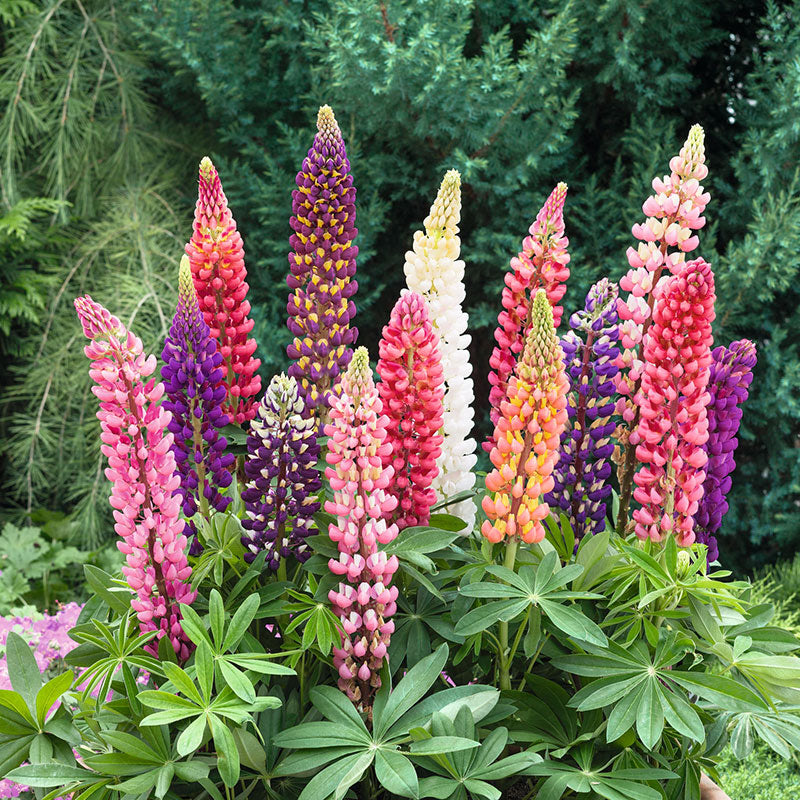
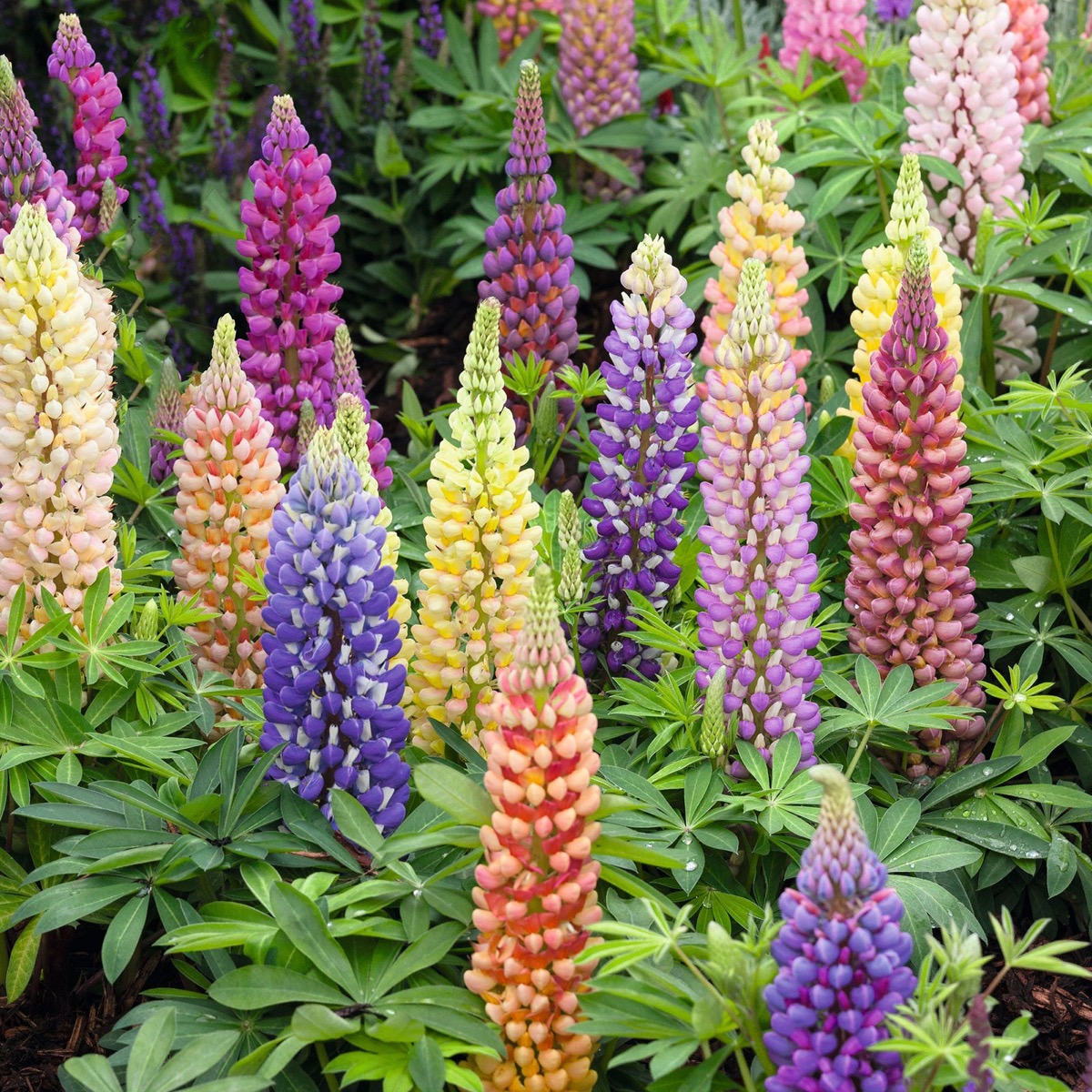
Lupine Seeds – Russell Lupine
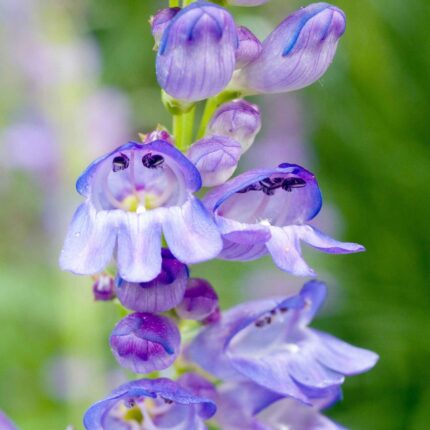
Perhaps the most commonly known and widely cultivated Lupine species, known for growing tall, lush spikes chock full of vividly colored flowers! Also known commonly as Garden Lupine, Lupinus polyphyllus is an early season perennial that may take a year after planting to offer its stunning blooms, but will reward a gardener’s patience with abundant, colorful blooms!
*Seed scarification advised for lupine seeds (Nicking or scaring seeds with hard seed coatings before planting helps the seeds absorb water. After scarification, soak seeds in water overnight before planting. This will jump-start germination and get your garden growing faster.)
Key Features
Frost Tolerant, Prefers Dappled Shade, Prefers Lean Soil, Attracts Bees, Attracts Butterflies, Attracts Hummingbirds, Easy to Grow, Perfect for Cut Flowers, Perfect for Borders, Reduces Erosion, Improves Soil, Deer Resistant, Rabbit Resistant
Plant Details
| BOTANICAL NAME | Lupinus polyphyllus |
|---|---|
| LIFE CYCLE | Perennial |
| SEED TYPE | Heirloom Seed, Open Pollinated Seed |
| LIGHT REQUIREMENT | Full Sun, Partial Shade |
| BLOOM SEASON | Spring through Summer |
| GROWTH HABIT | Clumping, Upright |
| PLANT HEIGHT | up to 40 inches |
| COLOR | Mixed |
Planting Information
| PLANTING SEASON | Fall, Spring |
|---|---|
| SOWING METHOD | Direct Sow, Start Indoors |
| PLANTING DEPTH | 1/8 inch |
| WATER NEEDS | Average |
| PLANT SPACING | 12 to 14 inches |
| HARDINESS ZONES | 4, 5, 6, 7 |
| SEED PREP | Scarification |
Planting Guide
When to Plant
Direct sow in early Spring, as soon as the soil is able to be worked. You can also start Lupine seeds indoors, 4-8 weeks before the final frost of the Spring. In temperate climates, Lupine seeds can also be sown in the Fall, after the first killing frost.
Where to Plant
Choose a space with Full Sun conditions, or some light shade. Lupines do best in moist, well-draining, somewhat sandy and well-worked soil.
How to Plant
Lupine seeds require scarification prior to planting. This is a simple process that involves nicking the seeds with a knife or rubbing them with sandpaper or a file. Learn more about the importance of scarification here. Direct sow your seeds onto the surface of the soil and compress, but do not cover, as Lupines need sunlight to germinate. Sprouts will appear in about 10-15 days.
How to Care for
Deadhead spent blooms to encourage additional flowering through the season. Taller varieties of Lupine may need staking as well. Don’t cut down dead spikes in the Spring/summer, and instead wait until the fall. Likewise, seed pods can be harvested and saved for future plantings. For perennial Lupine, mulching in the winter can be beneficial for the roots. As Spring approaches, the mulching can be removed. How to Plant & Grow Lupine – Video Tutorial
Only logged in customers who have purchased this product may leave a review.
MAECENAS IACULIS
Vestibulum curae torquent diam diam commodo parturient penatibus nunc dui adipiscing convallis bulum parturient suspendisse parturient a.Parturient in parturient scelerisque nibh lectus quam a natoque adipiscing a vestibulum hendrerit et pharetra fames nunc natoque dui.
ADIPISCING CONVALLIS BULUM
- Vestibulum penatibus nunc dui adipiscing convallis bulum parturient suspendisse.
- Abitur parturient praesent lectus quam a natoque adipiscing a vestibulum hendre.
- Diam parturient dictumst parturient scelerisque nibh lectus.
Scelerisque adipiscing bibendum sem vestibulum et in a a a purus lectus faucibus lobortis tincidunt purus lectus nisl class eros.Condimentum a et ullamcorper dictumst mus et tristique elementum nam inceptos hac parturient scelerisque vestibulum amet elit ut volutpat.









Reviews
There are no reviews yet.