Blog
How to Grow Calendula from Seed: Fall Sowing for Months of Blooms

Yes — you can sow calendula (pot marigold) straight into the garden this month in most of the US, the UK and southern or coastal Europe, and the plants that come up will bloom earlier, shrug off light frost, and need almost no care. Calendula is one of the easiest hardy annuals to grow from seed: the seeds are big enough to handle one at a time, they germinate in about a week in cool soil, and they flower for months if you keep picking.
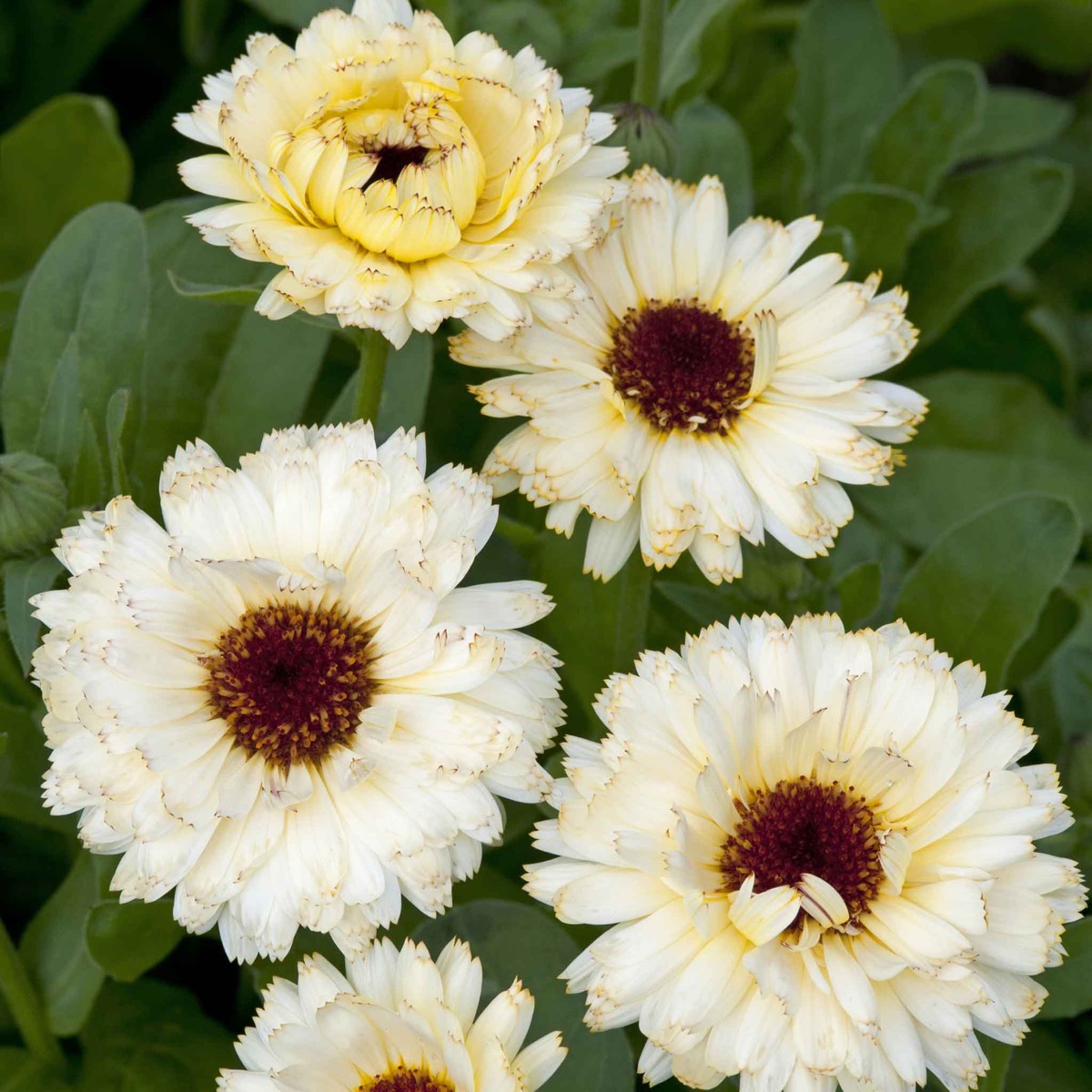
Calendula at a Glance
| BOTANICAL NAME | Calendula officinalis |
|---|---|
| LIFE CYCLE | Hardy annual |
| LIGHT | Full sun to part shade |
| HEIGHT | About 45–60 cm (18–24 in) |
| SPACING | 20–30 cm (8–12 in) |
| SOWING METHOD | Direct sow preferred |
| SOWING SEASON | Fall in mild climates; early spring everywhere else |
Why Sow Calendula in Fall Instead of Spring?
Calendula seedlings are tough enough to sit through winter in climates where the ground rarely freezes solid. An autumn-sown plant puts down roots in cool, moist soil, gets a head start on spring, and opens its first flowers several weeks before spring-sown neighbors. The trade-off is honest: where winters are severe, the seedlings die. So the decision is purely about your winter.
- US zones 7–10 (and 6 with snow cover or a light mulch): fall sowing works well. Sow from about 6–8 weeks before your first hard freeze so seedlings establish small, then let them sit.
- UK and coastal/maritime Europe: September and early October sowing is standard practice; plants overwinter as small rosettes. In a cold snap, a fleece cover is enough.
- Cold-summer continental Europe (continental climate, Alps, much of Central/Eastern Europe) and zones 3–5: don’t gamble. Sow indoors in late winter or direct-sow as soon as the soil is workable in spring — calendula is fast enough that you lose little.
- Hot-summer regions (southern US, Mediterranean lowlands): fall is the only good season; spring-sown plants often fade once real heat arrives.
How to Sow Calendula Direct: Step by Step
Calendula seeds are curved, C-shaped, and easy to space accurately. Direct sowing beats transplanting because the plants form a simple taproot and dislike being moved.
- Pick the spot. At least half a day of sun; calendula tolerates light afternoon shade, which actually helps blooms last longer in hot areas. Soil should drain well — seeds rot in waterlogged winter ground.
- Prepare shallowly. Rake the surface to a fine texture about 1 cm deep. No fertilizer needed; rich soil grows leaves at the expense of flowers.
- Sow 1 cm (1/2 inch) deep, 5 cm apart. Press the seed in, cover lightly, and water once. If you’re after a drift rather than rows, scatter and rake in, then thin later.
- Keep it barely moist. Cool weather does most of the work; water only if the surface dries for several days. Germination usually takes 5–14 days in soil around 10–15 °C (50–60 °F).
- Thin to 20–30 cm. This is the step people skip and then regret. Crowded calendula is the main cause of powdery mildew later in the season.
- Label the spot. Calendula dies back to almost nothing in hard winters and is easy to forget or dig up by accident in spring cleanup.
Growing On: The Small Amount of Care Calendula Needs
Once established, keep three things in mind. Water at the base rather than overhead; wet foliage invites mildew. Deadhead or cut every week — calendula that is allowed to set seed slows down, while regular cutting keeps new buds coming. (Do leave a few seed heads late in the season if you want it to self-sow; it does so politely, and seedlings are easy to recognize and move.) Watch aphids in spring: a firm spray of water usually settles them before anything stronger is needed.
Calendula is famously unfussy about soil and is a well-known companion plant for vegetable beds, where its flower heads give hoverflies and other aphid predators a place to feed. If you grow it near the kitchen garden you also get edible petals — fresh petals brighten salads, though only eat flowers from plants you grew without pesticide sprays.
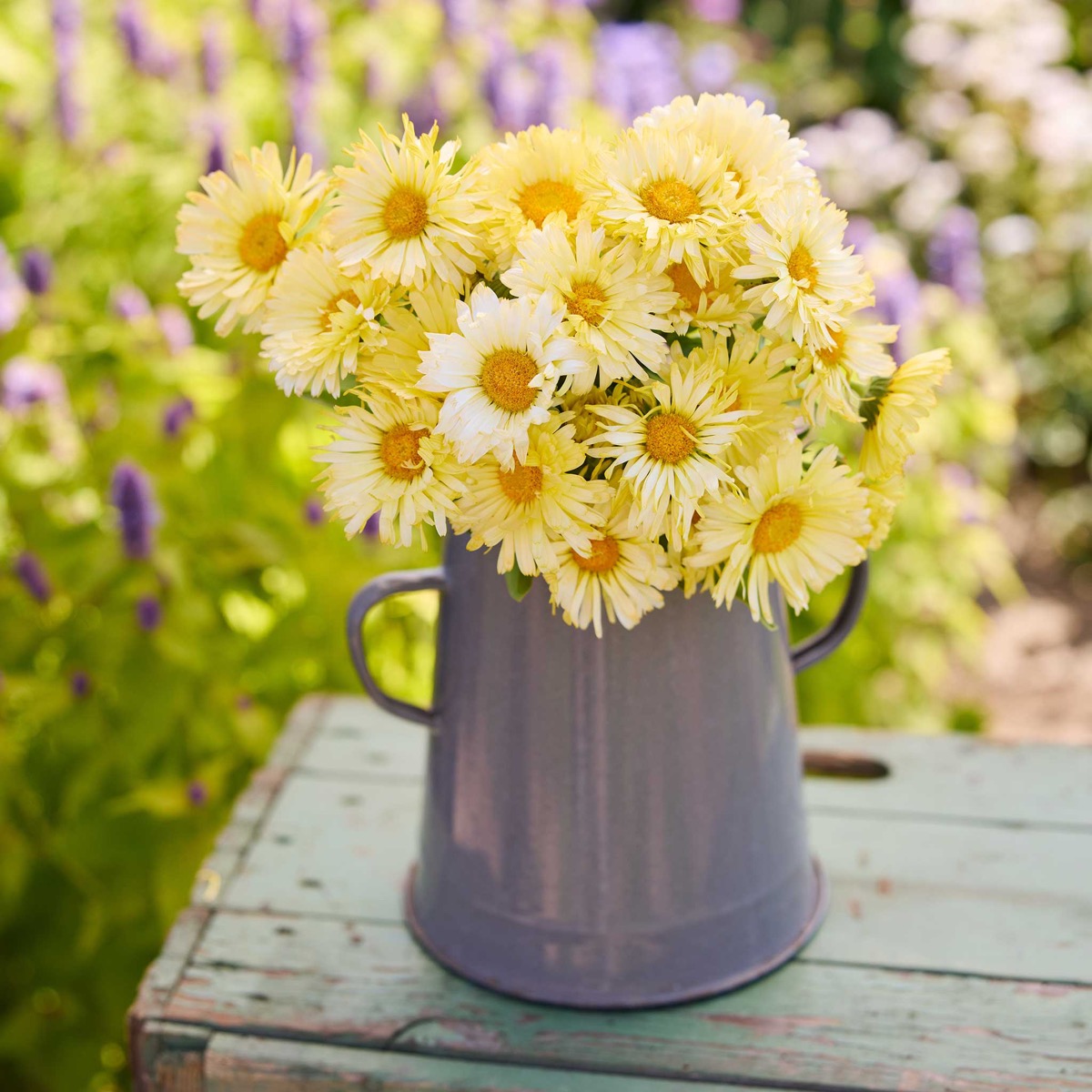
Two Varieties Worth a Bed Edge
Most calendula you see is the usual supermarket orange. Two seed varieties from our shop go a different way and both cut beautifully:
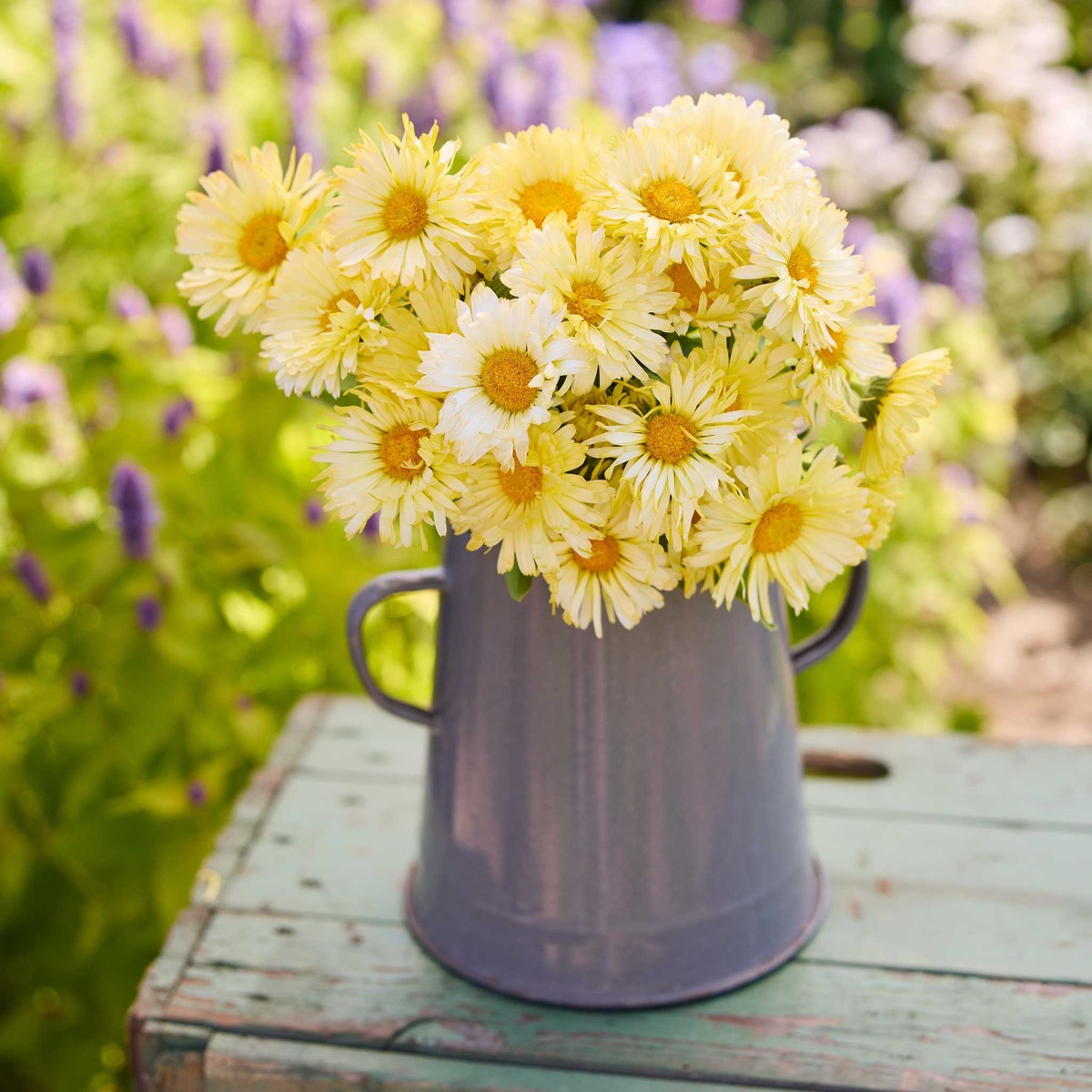
- Calendula Seeds – Ivory Princess is a mix of cream and soft pale-yellow blooms, many of them quilled or two-toned, with dark centers. It reads soft and old-fashioned — the one to pick if you photograph your garden or arrange with pastels.
- Calendula Seeds – Orange Flash brings back the warm apricot-to-orange side of the family in a more unusual, bronzy tone. Strong in arrangements, and its dark stems hold up in a vase.
Both are petal-heavy cut-flower types rather than the flat wild-form daisy, so a dozen plants will keep a small vase supplied from late spring onward. For more easy varieties that suit a first cutting garden, our guide to 8 easy flower seeds to start this season is a good next read — and if you liked the edible angle, nasturtiums pair with calendula in the kitchen too.
Quick Troubleshooting
- Seeds didn’t come up in fall: almost always waterlogging or birds. Resow in very early spring; calendula catches up quickly.
- Seedlings flopped at soil level: that’s damping off — overcrowding plus stagnant air, not your watering alone. Thin harder and improve airflow.
- All leaves, few flowers: over-rich soil or not enough sun. Calendula blooms best in average soil.
FAQ
Can I sow calendula in pots in autumn?
Yes, in containers at least 20 cm deep with drainage, positioned against a wall out of driving rain. Pot soil freezes through more easily than ground soil, so in zones 6 and colder, keep fall-sown pots in an unheated porch or cold frame.
Will fall-sown calendula survive frost?
Established seedlings tolerate light frosts and short spells around -5 °C in sheltered spots. Blooms themselves are frost-tender; the plant survives, the flower doesn’t.
How long from sowing to flowers?
Roughly 8 weeks from a spring sowing; fall-sown plants start blooming in early spring in mild climates and continue for months with regular cutting.
Is calendula the same as French or African marigold?
No — calendula is Calendula officinalis (pot marigold); French and African marigolds are Tagetes, a different genus with different needs. If you want Tagetes, see our French marigold Fireball.