
Blog
Fall Sowing Hardy Annuals: Sow This Autumn for Earlier Spring Blooms

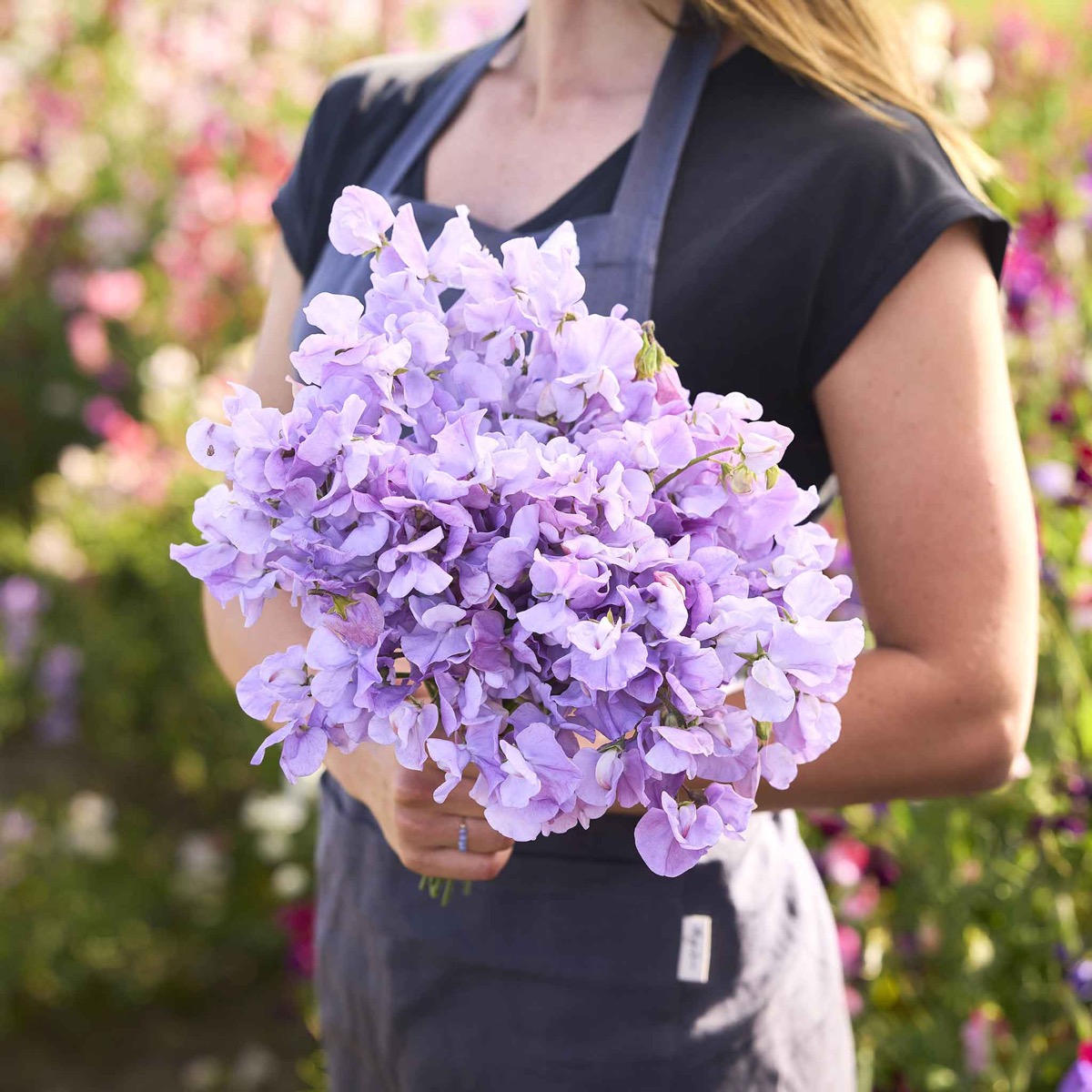
Yes, you can sow flower seeds in fall, and for a group of plants called hardy annuals it is often the better choice. Sown in late summer and autumn, these seeds germinate in still-warm soil, build a small root system before winter, then take off the moment spring arrives. The payoff is earlier flowers, sturdier plants, and a much less crowded spring sowing window.
This guide covers which hardy annuals to sow now, how to prepare a bed so the seed does not rot, and what changes if you garden somewhere with hard winters.
What “hardy annual” actually means
A hardy annual is a plant that completes its whole life in one growing year and can survive winter cold without protection once it is established. That last part is what separates it from a tender annual like a zinnia or a marigold, which turns to mush at the first real frost.
Hardy annuals do not just tolerate a cold spell, they use it. Many of them, including larkspur and love-in-a-mist, germinate best after a period of cool, moist conditions. Sowing them in fall works with that rhythm instead of fighting it.
Which flowers to sow this fall
These are all reliable fall-sowing candidates and all of them grow well in containers or a cutting patch:
- Sweet pea – the classic autumn sowing. Sow in October for the earliest stems the following summer. Best in mild-winter areas; see the cold-climate note below.
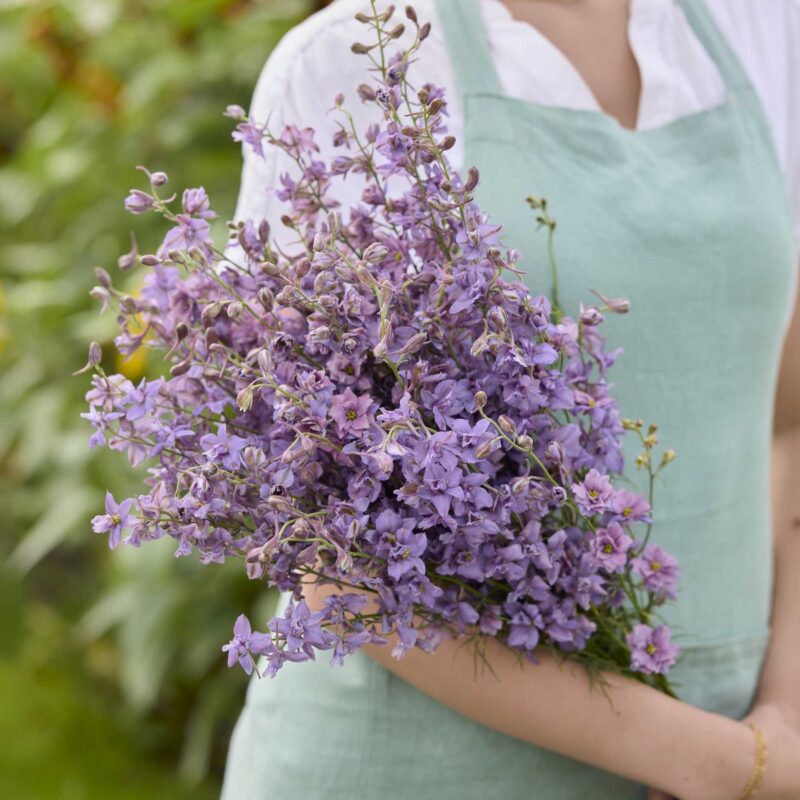
- Larkspur – needs cold to germinate well, so fall sowing suits it perfectly. Tall spires for cutting.
- Cornflower (bachelor button) – fast, forgiving, and one of the easiest to grow from a fall sowing.
- Love-in-a-mist (Nigella) – sow where you want it; it resents transplanting. The seed pods are as useful for arrangements as the flowers.
- Agrostemma – airy, long-stemmed, and excellent for cutting. A single fall sowing gives weeks of bloom.
- Calendula – tough, cold-tolerant, and quick to flower in mild winters.
- Godetia and clarkia – good options in mild, coastal, and Mediterranean climates.
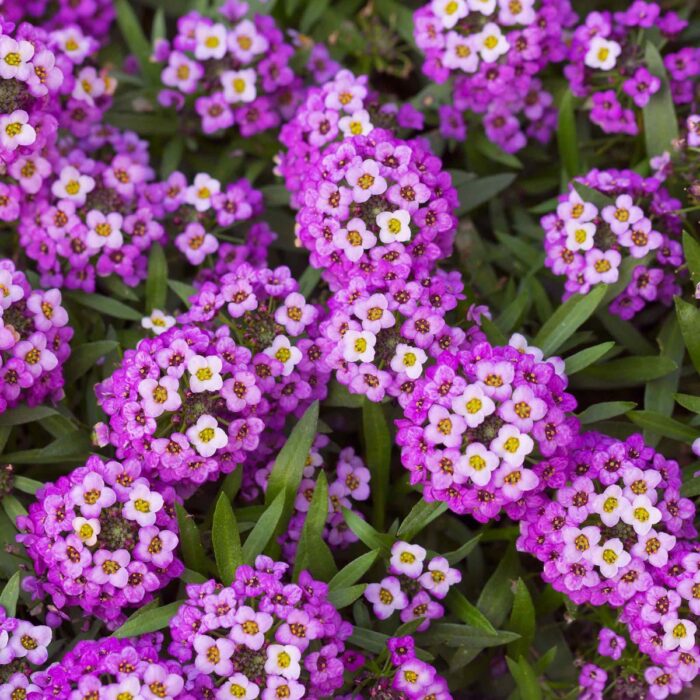
- Virginia stock, candytuft, and forget-me-not – low, early-blooming fillers that knit a border together in spring.
Prepare the bed before you sow
Most fall-sowing failures are drainage failures. Seed that sits in cold, waterlogged soil rots before it can germinate, so the bed matters more than the sowing date.
- Clear the ground of summer crops, weeds, and large stones. Do not dig deep; you only need the top 10–15 cm (4–6 in) loose.
- Open up heavy soil by forking in garden compost or leaf mould. On clay, a 5 cm (2 in) layer worked into the surface makes the difference between seedlings and a soggy no-show.
- Rake to a fine tilth. Seed needs soil particles small enough to close around it. Break clods down and level the surface so water does not pool in hollows.
- Do not feed. Rich soil pushes soft, sappy growth that winter damage punishes. Fall sowing wants steady, not lush.
How to sow
- Sow in shallow drills about 1 cm (½ in) deep, or broadcast and rake lightly. A good rule for seed depth is two to three times the seed’s own thickness.
- Space rows 20–30 cm (8–12 in) apart so you can hoe between them in spring.
- Water gently after sowing if the soil is dry. Autumn rain usually does the rest.
- Label everything. In March you will not remember which row was which, and nigella, cornflower, and larkspur seedlings look nothing alike when small.
Sow when the soil has cooled but the ground is still workable, aiming for at least four to six weeks before hard frost locks the surface. In much of the UK, Ireland, and western Europe that means September through October, with November still workable in mild coastal areas. In the US, the same window applies from roughly zone 7 upward.
What to expect over winter
Do not expect much top growth. The goal is a small, stocky plant with a decent root system, often no more than 5–8 cm (2–3 in) tall before the cold slows everything down. Anything much larger going into winter is a liability, not a bonus.
Two things will try to eat your work:
- Slugs and snails – the number one killer of autumn seedlings. Set a night patrol, use barriers, or accept that you will thin around the losses.
- Mice – sweet pea and sunflower seeds are a favourite. Sowing in modules under cover removes the problem entirely.
Keep the bed weed-free through autumn while seedlings are small; weeds that overwinter will smother them in spring. In spring, thin seedlings to their final spacing, water if the weather turns dry, and start cutting. Larkspur, cornflower, and agrostemma all benefit from being cut regularly, which keeps them flowering longer.
If you garden in a cold climate
In USDA zones 3–5 and in cold continental parts of Europe and North America, an open-ground fall sowing is a gamble: seedlings can be lifted by frost heave or killed outright. You have two better options.
- Late winter sowing. Sow in modules under cover in February and March, then plant out once the soil can be worked.
- Winter sowing in containers. Sowing into vented containers left outdoors lets seed experience natural cold while staying protected. This suits larkspur, nigella, and cornflower particularly well.
If you are unsure when your season starts, our guide to when to start flower seeds indoors walks through the timing by zone, and 8 easy flower seeds to start this season is a good shortlist if you are choosing your first varieties.
Frequently asked questions
Will fall-sown seedlings survive frost?
Established hardy annual seedlings handle ordinary frost without help. Prolonged hard freezes, frost heave, and waterlogged soil are what cause losses. In marginal areas, a cloche or a layer of loose mulch over the row adds a useful margin.
Do I need to thin the seedlings?
Yes, but wait until spring. Thinning in autumn leaves gaps that weeds fill and exposes the remaining plants to more frost movement. Thin to final spacing once growth restarts.
Can I just sow everything in spring instead?
You can, and for tender annuals you must. But hardy annuals sown in spring flower later and often on shorter stems, because they have to build both roots and top growth in the same short season. Fall sowing splits that work across two seasons.
Start your fall sowing
Everything in this guide is available as seed from our annual flower seeds collection. Two good places to start: Sweet Pea ‘Royal Lavender’ for fragrant early stems, and Larkspur ‘Misty Lavender’ for tall spires that need that cold start. Sow this month, and next spring the cutting patch will already be ahead of you.



One thought on “Fall Sowing Hardy Annuals: Sow This Autumn for Earlier Spring Blooms”